TransitFix Smarter Cities. Better Commutes. Real Solutions.

TransitFix

Smarter Cities. Better Commutes. Real Solutions.

Latest Articles

Transit Technology

Parked and Forgotten: The Federal Funding Trap Filling Transit Yards With Buses That Never Run

Across the country, transit agencies are accepting federal grants to purchase buses they cannot afford to operate, leaving fleets idle while underserved neighborhoods wait for service that never comes. The disconnect between federal capital funding and the hard reality of operating budgets has created a quiet crisis in American public transportation. Real-time fleet utilization tools are beginning to expose the scale of the problem—and point toward a more rational approach to vehicle procurement
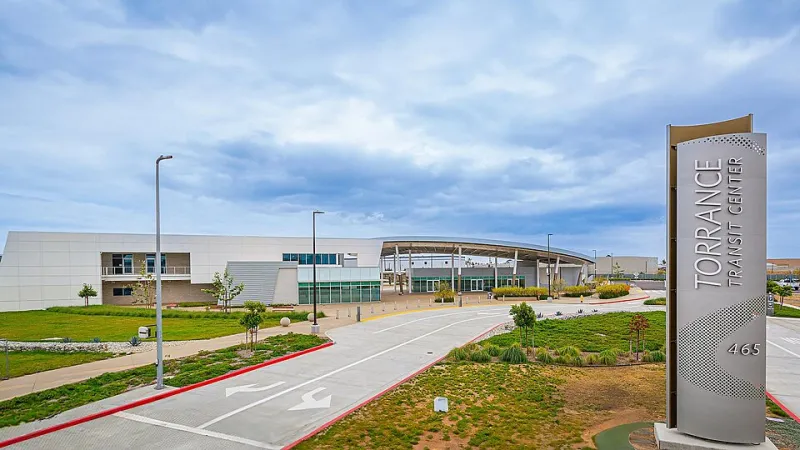
The Suburban Transit Maze: Why Getting From One Suburb to Another Often Means Going Downtown First
Urban Mobility

The Suburban Transit Maze: Why Getting From One Suburb to Another Often Means Going Downtown First

Millions of American workers live and work in the suburbs, yet the transit networks that serve them were designed for a city that no longer exists—one where jobs clustered downtown and everyone traveled inward in the morning and outward at night. For commuters making suburb-to-suburb trips, the result is a forced detour through a central hub that adds hours to journeys that could take minutes by car. New regional strategies and emerging mobility platforms are beginning to challenge this outdated

The Dashboard and the Platform: Why Transit Technology Serves Agencies Better Than It Serves Riders
Transit Technology

The Dashboard and the Platform: Why Transit Technology Serves Agencies Better Than It Serves Riders

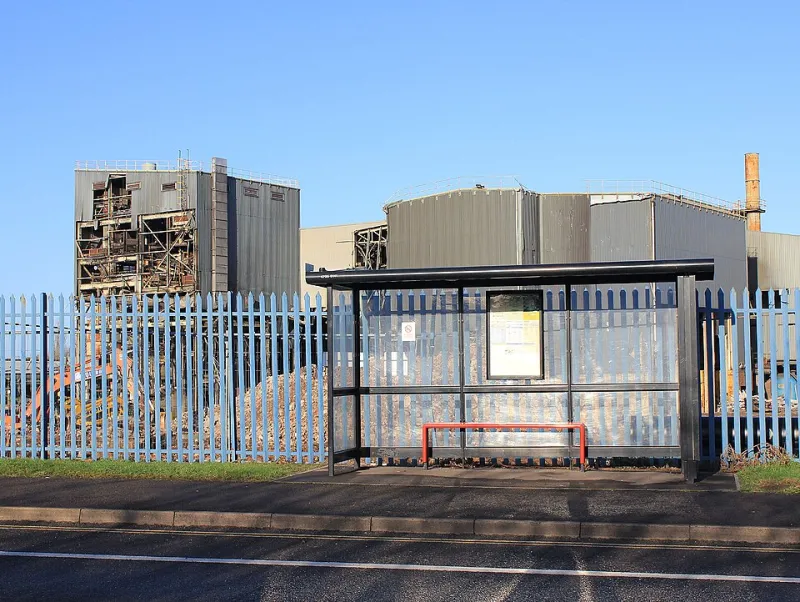
American transit agencies have poured significant resources into real-time tracking systems, operations dashboards, and predictive analytics platforms over the past decade. Yet daily commuters continue to miss transfers, encounter overcrowded vehicles, and receive arrival predictions that bear little resemblance to what actually shows up. The gap between what agencies measure and what riders experience points to a fundamental misalignment in how transit technology is being designed and deployed.

Acres of Asphalt: How Minimum Parking Requirements Are Quietly Killing Transit Ridership
Urban Mobility

Acres of Asphalt: How Minimum Parking Requirements Are Quietly Killing Transit Ridership

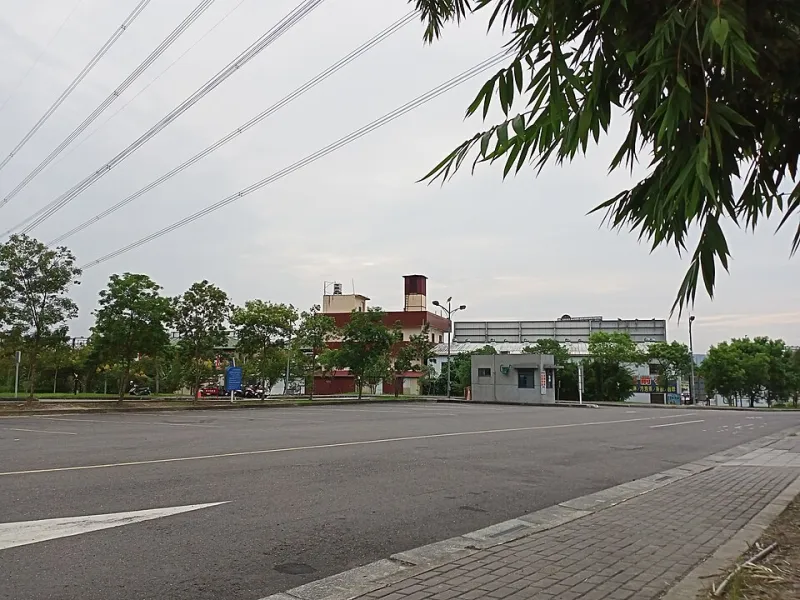
Mandatory parking minimums embedded in local zoning codes have long been treated as routine municipal housekeeping. In practice, they function as a quiet subsidy for car ownership that makes transit-oriented living economically unattainable for millions of Americans. A growing coalition of cities is beginning to dismantle these requirements — and the early evidence suggests ridership responds.

Scheduled to Fail: How Transit Agencies Are Running Buses Nobody Rides—and What Data-Driven Tools Can Do About It
Transit Technology

Scheduled to Fail: How Transit Agencies Are Running Buses Nobody Rides—and What Data-Driven Tools Can Do About It

Across American cities, buses run predictable routes on predictable schedules—even when ridership patterns have shifted dramatically and seats remain empty mile after mile. Outdated planning frameworks and a reluctance to embrace real-time analytics are costing agencies millions while leaving actual commuters underserved. A new generation of AI-powered optimization tools is beginning to challenge that status quo.

Sharing the Street: How American Cities Are Redesigning Roads to Make Bikes and Buses Work Together
Urban Mobility

Sharing the Street: How American Cities Are Redesigning Roads to Make Bikes and Buses Work Together

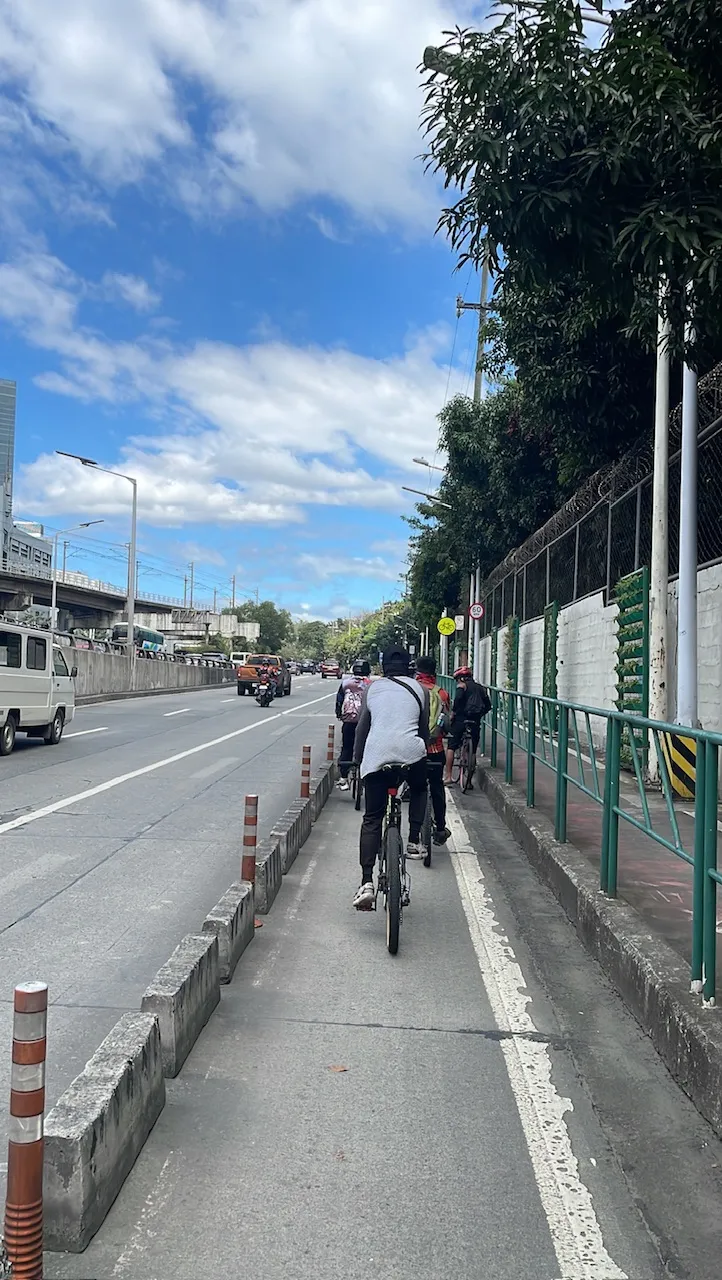
For years, dedicated bike infrastructure and bus rapid transit corridors have competed for the same scarce lane space in dense American cities, often to the detriment of both. A new wave of street redesign projects is demonstrating that these two modes don't have to be adversaries—and that getting the geometry right can strengthen multimodal commuting for everyone. Urban planners and transportation engineers are beginning to crack the code.

After Midnight: The Commuters America's Transit System Was Never Built to Serve
Transit Technology

After Midnight: The Commuters America's Transit System Was Never Built to Serve

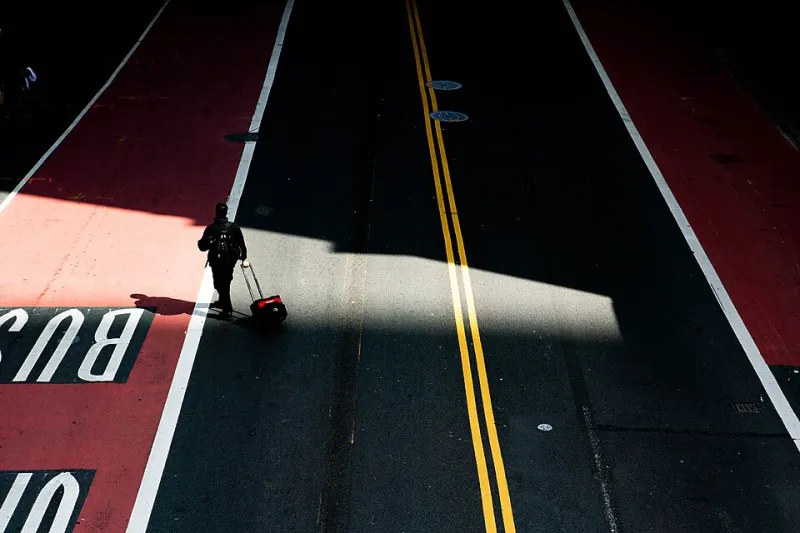
Millions of Americans work shifts that begin when the last bus has already made its final run—nurses, warehouse workers, rideshare drivers, and delivery couriers who clock in at 11 p.m. and clock out at dawn. For these commuters, the transit system is not a safety net; it is a gap. TransitFix investigates how the rise of around-the-clock work has exposed a structural blind spot in American transit planning, and examines the technology-driven experiments that a handful of agencies are using to fi

Patchwork Rules, Real Consequences: How Micromobility Regulation Is Failing American Commuters
Urban Mobility

Patchwork Rules, Real Consequences: How Micromobility Regulation Is Failing American Commuters

Across the United States, scooters, e-bikes, and shared bicycles are reshaping how people move through cities—yet the rules governing them vary so dramatically from one municipality to the next that riders, operators, and planners are left navigating an obstacle course of conflicting policies. The regulatory patchwork is not merely an inconvenience; it carries real costs for commuters who depend on these devices as legitimate transportation tools. TransitFix examines what's driving the fragmenta

Stuck in the Past: Why America's Transit Data Infrastructure Is Failing Commuters
Transit Technology

Stuck in the Past: Why America's Transit Data Infrastructure Is Failing Commuters

The smartphone in your pocket can stream video from the other side of the world in seconds, but your city's transit agency may still be tracking buses with technology that predates broadband internet. A closer look at why so many American transit systems remain locked inside aging data infrastructure—and what a growing movement toward open data standards is beginning to unlock.

Left Behind: The Hidden Geography of Transit Inequality in American Cities
Urban Mobility

Left Behind: The Hidden Geography of Transit Inequality in American Cities

Millions of Americans live in neighborhoods where the nearest bus stop is a mile away and the nearest rail station might as well be on another planet. Transit deserts are not accidents of geography—they are the cumulative result of decades of planning decisions, funding priorities, and algorithmic blind spots that continue to shape who gets to move freely through a city and who does not.

The Final Stretch: How America's Transit Systems Are Losing Riders in the Last Half-Mile
Urban Mobility

The Final Stretch: How America's Transit Systems Are Losing Riders in the Last Half-Mile

Even the most sophisticated rail and bus networks in the United States are hemorrhaging ridership not because of long delays or overcrowded platforms, but because of what happens after commuters step off the train. The last-mile gap—that frustrating final stretch between a transit hub and a rider's actual destination—remains one of the most persistent and underappreciated failures in modern urban transportation. Cities across the country are now piloting bold new strategies to close this gap bef

Why the Arrival Time on Your Transit App Is Often Wrong—and What Cities Are Doing About It
Transit Technology

Why the Arrival Time on Your Transit App Is Often Wrong—and What Cities Are Doing About It

Commuters across the United States have learned, often through bitter experience, that the countdown timer on their transit app is more of an educated guess than a reliable fact. Behind this chronic inaccuracy lies a tangle of aging infrastructure, fragmented data systems, and vendor contracts that have not kept pace with the expectations of modern riders. A growing number of cities are now confronting this transparency crisis directly—with results that suggest the problem is solvable, but only